
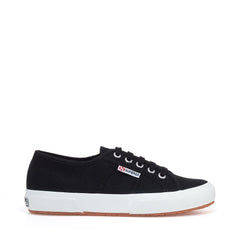

You leave the house in the morning feeling good about your outfit. The day ahead is packed with plans. Maybe it’s a long commute, a city walk, errands between meetings, a weekend market trip, or a full travel day with hours spent on your feet. Everything feels manageable at first, until your shoes slowly start changing the mood of the day.
Your heels begin to ache. The soles feel stiff. Every extra block suddenly feels longer than it should.
Most people know this feeling well, which is why comfort has become one of the biggest priorities in modern footwear. Style still matters, but people no longer want shoes that look good for one hour and feel impossible by the afternoon.
Today, footwear needs to keep up with real life.
People want shoes that can move through multiple parts of the day without sacrificing comfort or personal style. The ideal sneaker works just as well for commuting as it does for coffee runs, weekend walks, travel days, and casual evenings out. It feels effortless instead of restrictive.
That shift is exactly why timeless sneakers continue to hold such a strong place in everyday wardrobes. The best pairs are the ones that quietly support your routine while still feeling stylish enough to wear repeatedly.
And when it comes to all-day comfort, the answer is rarely one single feature. Truly wearable sneakers are built around balance. They combine support, flexibility, breathability, lightweight construction, and versatile design in a way that feels natural from morning to evening.
That balance is part of what continues to make classic Superga sneakers feel relevant year after year.
Comfort Starts With Proper Fit
Before cushioning or materials even come into the conversation, fit matters most.
A poorly fitting shoe can make even the highest-quality sneaker uncomfortable. Shoes that are too tight create pressure and friction. Shoes that are too loose force your feet to work harder while walking, which often leads to soreness and fatigue later in the day.
Comfortable sneakers should feel secure around the heel while still allowing enough room for natural movement in the toe area. Your feet should feel supported, not squeezed.
Many people prioritize appearance first and fit second, which often leads to disappointment. It’s one of the most common sneaker outfit mistakes to avoid because uncomfortable shoes rarely become part of an everyday wardrobe, no matter how stylish they look online.
The best sneakers feel easy from the moment you put them on. They move naturally with your body instead of constantly demanding attention.
Lightweight Shoes Make Walking Easier
The weight of a sneaker has a huge impact on comfort, especially during long periods of walking.
Heavy shoes feel manageable for short outings, but over the course of an entire day, extra weight becomes exhausting. Lightweight sneakers reduce strain and help movement feel smoother and more natural.
This matters even more for people living in walkable cities or traveling frequently. Airports, public transportation, long sidewalks, and busy schedules all add up quickly.
That’s one reason classic canvas sneakers continue to remain popular. Canvas feels naturally lighter and more breathable than many thick synthetic materials, making it ideal for everyday movement.
The lightweight feel also contributes to versatility. Simple canvas sneakers work effortlessly with denim, tailoring, relaxed separates, and layered outfits without looking overly sporty.
Breathability Is Essential for Long Wear
One of the biggest causes of discomfort during long walks is heat buildup inside the shoe.
Without airflow, feet become warmer and more fatigued throughout the day. Breathable materials help regulate temperature and create a fresher feel during extended wear.
This becomes especially important during warmer seasons, travel days, or busy schedules that involve hours of movement.
Good sneakers should feel breathable enough to support all-day wear without feeling heavy or restrictive. Breathability may seem like a small detail at first, but after several hours on your feet, it makes a noticeable difference.
Cushioning Should Feel Balanced
Many people assume softer automatically means more comfortable. In reality, comfort is usually about balance rather than excess.
Overly soft shoes can sometimes feel unstable after long wear, while shoes that are too firm may create stiffness and pressure.
The most comfortable sneakers absorb impact while still supporting natural movement.
That’s especially important for people looking for reliable walking shoes that can handle long days comfortably without feeling bulky or overdesigned.
Good cushioning helps reduce pressure on the feet, knees, and lower back while still allowing flexibility. The goal is support that feels natural rather than exaggerated.
Proper Support Helps Reduce Fatigue
A sneaker might feel comfortable for the first hour and still become exhausting later in the day.
Without proper support, feet work harder over time. Arches become strained, ankles tire more quickly, and long walks start feeling heavier than they should.
Supportive soles help distribute weight evenly and improve overall stability while walking.
This becomes especially noticeable during travel or busy city days filled with constant movement. People searching for the best shoes for walking all day are usually looking for shoes that remain comfortable after hours of wear, not just during short outings.
Support changes how long you can comfortably stay on your feet.
Comfort and Style Now Go Together
Comfortable shoes used to be associated mainly with athletic or performance footwear. Today, people expect comfort from their everyday wardrobe too.
Modern style has shifted toward versatility and ease. Instead of buying shoes for one specific purpose, shoppers want sneakers that can work across multiple outfits and occasions.
That shift aligns naturally with minimalist fashion, where fewer, better pieces create a wardrobe that feels intentional and easy to wear repeatedly.
Clean, timeless sneakers work because they integrate naturally into everyday dressing. They pair effortlessly with relaxed denim, dresses, tailored trousers, knitwear, and casual layers without looking out of place.
Comfort now feels like part of personal style rather than something separate from it.
Walking Has Become Part of Everyday Wellness
People are becoming more intentional about movement in daily life. Walking is no longer viewed only as exercise. It has become part of commuting, traveling, socializing, and maintaining mental clarity throughout busy days.
Research around the benefits of walking continues to show positive effects on both physical and mental well-being, which is one reason more people are prioritizing comfortable footwear in their daily routines.
The right sneakers encourage movement because they remove distractions and discomfort from the experience itself.
When shoes feel supportive and lightweight, people naturally walk longer and more comfortably without constantly thinking about their feet.
Travel Changed the Way People Buy Sneakers
Travel has also changed how people think about comfort.
Nobody wants to carry multiple heavy pairs of shoes during a trip. Modern travelers often look for sneakers that feel comfortable enough for long walking days while still looking polished enough for restaurants, casual evenings, or city exploring.
That’s why versatile travel outfits have become so popular. People want clothing and footwear that work across multiple settings without sacrificing comfort or style.
A reliable walking sneaker should transition naturally through different parts of the day instead of feeling limited to one activity.
Durability Is Part of Comfort Too
Comfort is not only about how shoes feel on the first wear. It’s also about how well they maintain support over time.
Strong construction and quality materials help sneakers remain wearable through repeated use. Shoes that lose shape quickly often become uncomfortable much faster.
This is why many shoppers ask, how long do walking shoes last?
The answer depends on wear habits and materials, but well-made sneakers should maintain their comfort and structure through regular daily use rather than breaking down after only a few months.
Good sneakers often become more comfortable with time as the materials naturally soften and adjust to your movement.
Comfort Looks Different for Everyone
Not everyone wants the exact same feel from their sneakers. Some people prioritize flexibility and lightweight construction. Others care more about arch support or cushioning. Daily routines, personal style, and walking habits all influence what feels comfortable.
Many shoppers looking for dependable sneakers for women want versatile styles that pair naturally with dresses, denim, trousers, and relaxed tailoring.
Meanwhile, someone searching for a practical men’s sneaker may focus more on durability, simplicity, and neutral styling that works across everyday outfits.
Comfort becomes personal because daily life itself is personal.
The best sneaker is the one that supports your routine naturally without forcing you to compromise between style and practicality.
Simplicity Often Lasts Longer
Fashion constantly evolves, but the most wearable sneakers usually remain surprisingly simple.
The history of sneakers shows how athletic footwear gradually became part of everyday fashion across generations. Yet the styles that continue lasting are usually the cleanest and most versatile designs.
People are increasingly leaning toward intentional shopping habits and buying fewer pieces that work harder within their wardrobes. That mindset connects closely to slow fashion, where longevity and repeat wear matter more than short-lived trends.
Timeless sneakers fit naturally into this approach because they remain wearable season after season.
Truly Comfortable Sneakers Feel Effortless
Some shoes look great in photos but fail during real life. Truly comfortable sneakers succeed because every detail works together thoughtfully. Fit, breathability, support, flexibility, durability, and timeless design all contribute to long-term comfort.
That balance is what separates temporal trends from the most comfortable shoes people continue reaching for every single day.
The best sneakers become part of routines, travel memories, daily commutes, and everyday moments without requiring constant thought or adjustment.
They are the kind of comfort wear shoes people instinctively choose before long days because they trust how they will feel hours later. And in many ways, that trust is the real definition of comfort.
A truly comfortable sneaker supports your feet and the way you move through everyday life.
