
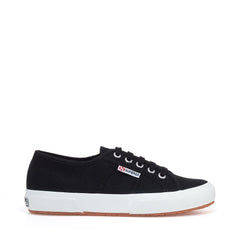

October is when your shoe collection starts to feel a little confusing. It’s cool enough in the morning to make you consider boots, but by the afternoon, you’re wishing you had stuck with something lighter. Sandals suddenly feel too summery, while a full pair of boots can feel like far too much for a warm, sunny day.
So, what are you actually supposed to wear?
The answer usually isn't choosing one season over the other. October is all about finding the footwear that sits comfortably in between. You want something with enough coverage for crisp mornings and changing weather, but light enough to keep your feet comfortable when temperatures climb. And ideally, it should work just as well with your everyday wardrobe as it does with the unpredictable forecast.
This is where transitional footwear earns its place. From classic sneakers and flats to loafers, Mary Janes, and lightweight boots, there are plenty of ways to make the shift from summer to fall without completely changing the way you dress.
The key is knowing what works for the weather you actually have, not the season you're supposed to be dressing for. Here’s how to navigate the October shoe switch, keep your favorite styles in rotation, and build outfits that feel right for those in-between days.
Why October Is Such a Tricky Month for Shoes
The biggest challenge with October weather is that the temperature rarely stays consistent throughout the day.
You might leave home when it is 50 or 55 degrees, spend the afternoon somewhere closer to 70, and head back out again after sunset when the air has cooled considerably. Add rain, wind, changing humidity, or an unexpectedly warm weekend, and choosing footwear becomes even less straightforward.
That is why the usual seasonal rules don't always help.
You don't necessarily need a boot simply because it's fall. You don't need to stop wearing lighter shoes the moment September ends, either. What matters more is how the shoe works with the weather, your schedule, and the rest of what you're wearing.
The ideal October rotation gives you options without requiring an entirely new wardrobe.
So, What Shoes Should You Wear in October?
The easiest answer is a closed-toe shoe that feels lighter than a traditional boot but more seasonally appropriate than an open sandal.
This could mean a classic sneaker, a lightweight flat, a Mary Jane, a loafer, or another low-profile style that gives your feet a little more coverage without adding the weight of a winter shoe.
Think about what you actually need from your footwear during the day:
-
Enough coverage for cooler mornings
-
Breathability for warmer afternoons
-
Comfort for walking and everyday errands
-
Easy styling with jeans, trousers, skirts, and dresses
-
A shape that doesn't look overly summery
-
Enough versatility to work across more than one occasion
This is also why fall shoes don't have to mean boots. Early autumn is one of the best times to experiment with the middle ground between warm-weather and cold-weather dressing.
The Case for Sneakers as the October Middle Ground
Sneakers are naturally suited to this moment because they don't force you too far in either direction.
A classic sneaker gives you more coverage than a sandal while remaining lighter and more breathable than many boots. It also works with the relaxed way many people dress during the transition into autumn.
A pair of fall sneakers can work with straight-leg denim in the morning, relaxed trousers for work, and a skirt or dress later in the day. The key is to think about the rest of the outfit rather than treating the shoe as something that has to announce the season.
For example, a simple canvas sneaker with dark denim and a lightweight cardigan feels completely different from the same shoe worn with linen shorts and a beach bag. The shoe hasn't changed. The styling has.
That is one of the reasons classic sneakers remain so useful. They can adapt as the weather and your wardrobe change around them.
Don't Put Every Summer Shoe Away Just Yet
One of the easiest mistakes during seasonal transitions is switching too quickly.
If the afternoon temperature is still warm, there is no reason to force yourself into a heavy shoe simply because autumn has officially arrived. Some warm-weather footwear can continue to work, especially during the earlier part of October, as long as the overall outfit feels intentional.
The difference often comes down to how much of the outfit still feels like summer.
A pair of comfortable sandals can still make sense on an unusually warm October day, particularly when paired with longer trousers, a lightweight jacket, or richer seasonal colors. What can make sandals feel out of place is often not the shoes themselves, but combining them with several other distinctly summer elements at once.
The same principle works in reverse. If you want to keep wearing a lighter shoe, let the rest of your outfit gradually introduce the season.
Think About the Whole Outfit, Not Just the Shoe
Seasonal dressing works best when it happens gradually.
Instead of changing everything at once, begin shifting the balance of your wardrobe. Replace shorts with full-length denim. Add a cardigan over a T-shirt. Swap a lightweight summer bag for something with more structure. Introduce deeper neutrals, richer textures, or a light jacket.
Your footwear can follow the same progression.
A classic sneaker looks especially natural with the fabrics that start appearing in October: denim, cotton twill, lightweight knitwear, corduroy, suede, and soft layers.
This makes it easier to create fall outfits without feeling like you are wearing a costume version of autumn. You are still dressing like yourself, just with a few more layers and slightly different textures.
The Best October Shoes Depend on Your Day
There isn't one perfect shoe for every October day. The better question is: what are you actually doing?
For commuting and everyday errands
Choose something comfortable enough for walking and easy to pair with different outfits. A classic sneaker is particularly useful here because it can move between casual clothing and slightly more polished pieces.
For work
A clean sneaker, loafer, Mary Jane, or simple flat can work depending on your workplace and personal style. The goal is to choose something that feels intentional rather than overly seasonal.
For weekends
This is where classic sneakers really come into their own. Pair them with relaxed denim, wide-leg trousers, casual dresses, or layered basics.
For rainy days
October rain calls for a little more thought. Canvas sneakers may be fine for a light, dry day, but when the forecast points toward puddles and prolonged rain, a rubber shoe or boot becomes the more practical choice.
Superga's newly launched rubber boots fit naturally into this part of the rotation. The collection includes styles designed to handle wet conditions while retaining the brand's clean, recognizable approach to everyday footwear. They make sense for the days when sneakers aren't quite enough, without requiring you to commit to a heavy winter boot.
What About Flats, Loafers and Other In-Between Styles?
Sneakers aren't the only answer to transitional dressing.
October is a good time to bring in footwear with a little more structure while keeping the overall feel light.
-
Loafers are an easy choice with tailored trousers, straight-leg jeans, or midi skirts. They bring a polished quality to an outfit without the visual weight of a boot.
-
Ballet flats offer another option when you want something simple and refined. They work particularly well with ankle-length trousers, denim, dresses, and skirts, and can make a casual outfit feel a little more considered.
-
Mary Janes sit somewhere between playful and classic. With socks, denim, or a midi skirt, they can feel distinctly autumnal without looking heavy.
-
Mules can also work during the warmer part of October, particularly when the weather is dry. Their open back keeps them lighter, while a closed toe gives them more seasonal appeal than a traditional sandal.
The point is to recognize that October gives you more options than just boots or sandals.
How to Make Your Shoes Feel More Autumnal
Sometimes you already own the right shoe. It simply needs a different context.
Color is one of the easiest ways to change the mood. White, cream, or pale shoes can feel summery when paired with light linen and bright accessories. Put them with darker denim, navy, burgundy, brown, or charcoal, and they immediately feel more grounded.
Socks can help, too.
A visible ribbed sock can make a sneaker or flat feel more appropriate for cooler weather. Try cream, gray, navy, brown, or black depending on the rest of your outfit. The trick is to make the sock look like part of the outfit rather than something added at the last minute because your feet are cold.
Texture also matters.
A canvas shoe paired with denim and knitwear has a different character from the same shoe paired with shorts and a lightweight tank. Suede, corduroy, brushed cotton, and knit fabrics naturally make an outfit feel more seasonal.
This is where seasonal fashion becomes less about following a strict list of rules and more about understanding proportion, texture, color, and context.
How to Style Canvas Sneakers for October
There is a reason classic canvas shoes continue to appear year after year. They are simple enough to work with almost anything, but distinctive enough to keep an outfit from feeling too pedestrian.
Try pairing Canvas sneakers with straight-leg jeans and a fine-gauge sweater for an everyday October look. For something a little more polished, wear them with tailored trousers, a button-down shirt, and a lightweight jacket.
You can also keep dresses in the rotation.
A midi dress with a classic sneaker and a cardigan creates an easy balance between feminine and casual. Add a structured jacket when the temperature drops in the evening.
The same approach works with skirts. Instead of pairing a skirt with a traditionally dressy shoe, use a sneaker to make the outfit feel more relaxed and contemporary.
For inspiration, look beyond the usual seasonal formula and pay attention to how shoes are being styled in street style. One of the most useful things about street style is that it shows how trends actually translate into everyday wardrobes rather than simply appearing on a runway.
What If You Really Want to Wear Boots?
You don't have to wait for freezing temperatures to wear boots.
The trick is choosing the right weight.
A pair of lightweight boots can bridge the gap beautifully when mornings are cooler but the day doesn't call for a full winter boot. Look for a lower shaft, lighter construction, or a silhouette that doesn't overwhelm the rest of your outfit.
You can also balance the weight of a boot with lighter clothing.
Try ankle boots with a midi skirt and a lightweight sweater, or wear a simple boot with straight-leg denim and a tucked-in shirt. If the weather warms up during the afternoon, you won't feel as though you dressed for January.
Superga's rubber boots can play a similar role when rain is part of the equation. Rather than treating waterproof footwear as something purely practical, consider the rest of the outfit as well. A clean jacket, straight-leg denim, and a simple rubber boot can look just as intentional as a sneaker-based outfit.
What Are the Best Shoes for Fall If You Want to Buy Less?
October is actually a good reminder that you don't need a new shoe for every season.
Look at what you already own first.
Do you have a sneaker that works with jeans, trousers, and dresses? Keep it in rotation. Do you have a flat that works with both casual and slightly dressed-up outfits? Bring it forward. Do you own a rain-ready shoe for wet days? You may already have the practical part covered.
Before adding anything new, ask one question: would I wear this again next week, with something different? If the answer is yes, you're probably looking at a better long-term addition to your wardrobe.
Versatility matters most with shoes for fall, because the season covers so much ground. A pair that works on a warm October afternoon can carry into November with socks and heavier layers.
How to Keep Your Favorite Sneakers Ready for the Season
Transitional dressing also means your shoes may see more wear.
October can bring rain, fallen leaves, damp sidewalks, and muddy paths. If your everyday sneakers are part of your regular rotation, a little maintenance can help them stay looking fresh.
For canvas styles, start by removing surface dirt with a soft brush or cloth. Avoid soaking the shoe unnecessarily, and always check the care instructions for the specific material before using any cleaning product.
If your favorite pair has become a regular part of your wardrobe, our guide on how to clean Canvas sneakers can help you keep them looking their best as you move into the new season.
Proper care is especially useful for classic footwear because the goal is to keep reaching for it year after year.
How Current Fall Trends Fit Into the October Transition
The interesting thing about this year's fashion conversation is that there isn't one shoe everyone is expected to wear.
Instead, current 2026 fashion trends are leaving room for familiar silhouettes with subtle updates, personality, texture, and unexpected styling. That is good news for anyone trying to build a wardrobe that feels current without constantly replacing everything.
It also explains why transitional dressing feels less restrictive than it once did.
A classic sneaker can sit next to a refined flat. A Mary Jane can work with a relaxed pair of jeans. A rubber boot can be styled with a clean, minimal outfit. A textured shoe can bring interest to simple clothing.
Always try to find the pieces that make sense for your own wardrobe and the way you actually live.
How to Choose the Right October Shoe
If you're standing in front of your closet wondering which pair makes the most sense, ask yourself four questions:
1. What will the weather actually be like today?
Look at the temperature throughout the day, not just the morning forecast.
2. How much walking will I do?
A shoe that looks great for an hour isn't necessarily the right choice for a full day on your feet.
3. Will I be indoors or outdoors?
Your footwear needs can change significantly if you're moving between heated buildings and cool streets.
4. What am I wearing?
Think about the overall balance of the outfit. A heavy boot may overwhelm lightweight clothing, while an open sandal may feel disconnected from heavier layers.
The October Rule: Let the Season Change Gradually
There is no exact day when summer shoes become “wrong” and fall shoes suddenly become “right.”
Weather doesn't work that way, and personal style doesn't have to either.
The best October wardrobe is flexible. It lets you wear a sneaker on a warm afternoon, add socks when the temperature drops, reach for a flat when you want something more polished, and choose a rubber boot when rain makes it necessary.
That flexibility is also why certain clothing styles continue to work year after year. The pieces that adapt to different settings, temperatures, and ways of wearing them tend to stay in our closets much longer.
Find Your Middle Ground
The shoe switch doesn't have to happen all at once. You can keep wearing the pieces that still make sense, introduce a few warmer textures, and gradually move toward more covered footwear as the weather changes.
A classic sneaker might be your everyday answer. A flat or loafer can give you a more polished option. A lightweight boot can step in when temperatures fall, while a rubber style can handle the rainy days.
The important thing is to dress for the day you're having, not the date on the calendar.
That's what makes transitional dressing feel effortless: your wardrobe changes at the same pace as the weather.
And when the temperature finally drops enough that boots feel completely right, you won't have to wonder if you switched too early. You'll already have spent a few weeks finding your perfect middle ground.
